The Opportunity for Brent or WTI Price Hikes
The Strait of Hormuz Crisis and the 2026 Shock
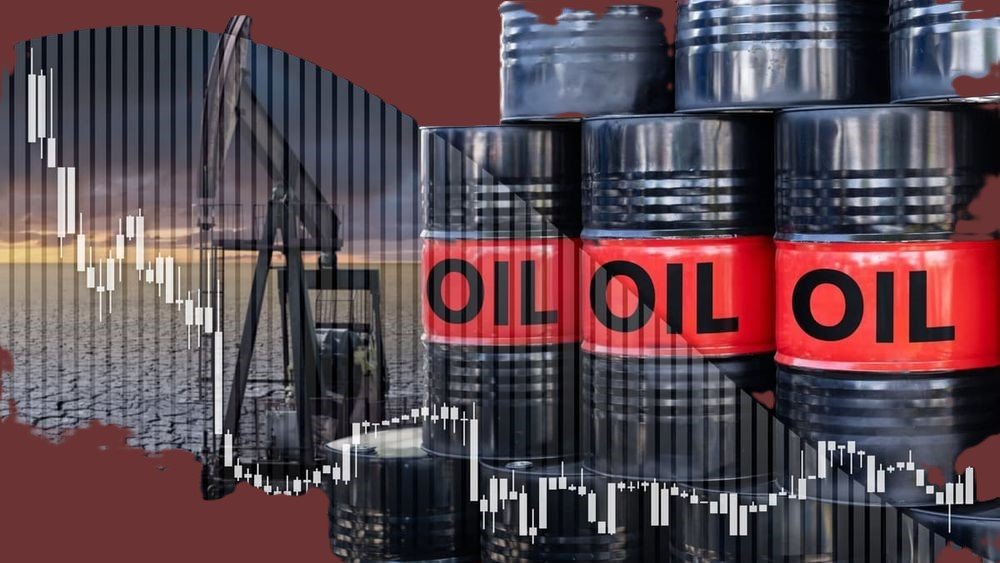
2026 was the height of volatility in the history of commodities. The widening conflict between the US-Israeli forces and Iran led to the blockade of traffic through the Strait of Hormuz, a thoroughfare through which 20-25% of the world's seaborne oil trade passes, as well as huge quantities of Liquefied Natural Gas (LNG) from Qatar. The International Energy Agency (IEA) has called it the “largest supply disruption in the history of the global oil market”, with supply falling by 10.1 million barrels per day in March 2026 alone.
Brent prices, which are directly dependent on the flow of Middle Eastern tankers, have soared from $80 to $126 a barrel, recording weekly increases of 20-25%, the largest since the pandemic. Amid shortages, Qatar has declared Force Majeure on LNG supply contracts as the forced cessation of shipping has halted the supply chain. Asian economies, for example, India, Bangladesh were severely tested by energy poverty, while the risk of a resurgence of global inflation through high fuel and fertilizer prices directly affected central banks. As traders panicked, the market went into extreme backwardation, with short-term contracts discounting immediate risks of shortages. Analysts at leading investment banks such as Goldman Sachs predicted a potential oil price spike to $150 in the event of a total destruction of the Persian Gulf’s export infrastructure. Even after a temporary ceasefire in April 2026, rates remained highly volatile, demonstrating the enduring power of geopolitical catalysts.
The Opportunity of Ups and Downs
Successful navigation of the WTI and Brent oil markets does not happen by chance, nor can it be based on superficial analysis or piecemeal use of tools. The extreme events of recent history—from the 2020 inventory crash that pushed prices into the red, to the geopolitical shocks of the Russia-Ukraine conflict in 2022, to the multi-layered crisis in the Strait of Hormuz in 2026—are compelling evidence that energy markets are characterized by extreme risk-return asymmetry. Their nature is fundamentally influenced by macroeconomic decisions and logistical constraints, making amateurism disastrous.
A thorough and professional strategy requires first and foremost an understanding of the parameters that drive the structure: the correct interpretation of contango and backwardation, the analysis of Cushing commercial stocks and the understanding of how geopolitical shocks translate into a high risk premium. Relative value opportunities, such as arbitrage of the Brent-WTI spread, highlight the superiority of systematic approaches z-scores, mean reversion over raw directional betting. At the same time, technical analysis indicators function complementary, as the precise entry-exit timing compass.
What's Your Reaction?
 Like
0
Like
0
 Dislike
0
Dislike
0
 Love
0
Love
0
 Funny
0
Funny
0
 Wow
0
Wow
0
 Sad
0
Sad
0
 Angry
0
Angry
0

Στρατηγική Συναλλαγών